
Emergency Plumbing & Boiler Repair · Watford, Hertfordshire
Power Flushing in Watford, Hertfordshire
Open a bleed valve on an old radiator and what comes out tells the story: a thin black ink, sometimes with a metallic smell. That is magnetite, the iron oxide that forms when steel radiators and pipework corrode inside a heating circuit, and over the years it settles into a sludge that blocks flow, starves radiators of heat and wears out pumps and boilers. A power flush is how that sludge is shifted.
The process isolates the boiler, connects a flushing machine to the circuit and pushes water through at high flow, reversing direction so the sludge breaks free and is carried out. A cleanser is circulated first to loosen deposits, a neutraliser follows, and the circuit is then dosed with inhibitor to slow further corrosion. It is a job with a method, and it follows the guidance in BS 7593 on cleansing and protecting the water in domestic heating systems.
Watford's housing is a natural home for the problem. Many 1930s semis around Cassiobury and the terraces of Nascot and Callowland still run original steel radiators on old pipework, sometimes still open-vented with a loft feed and expansion tank that keeps drawing fresh air into the water. The town's very hard water also leaves scale wherever water is heated or topped up, so older systems carry both sludge and scale.
Ring 07403 690769 and we find the nearest independently owned heating company from our network. It surveys, tells you whether a flush is genuinely needed, and quotes in writing before work starts. It invoices and takes payment directly; we handle no money. We text you its name beforehand, and if the radiators still misbehave afterwards, you ring us and we chase it.
What We Do
Signs Your Watford Heating System Needs Cleansing
A flush is worth doing when the symptoms point to sludge, and not worth doing when they do not. The survey tells you which.
Cold Radiator Bottoms and Cold Spots
The classic sign is a radiator that is hot at the top and cold at the bottom or in the middle, because sludge has settled where the water slows. Bleeding does not help. A flush clears the blockage and, once the circuit is balanced, the whole radiator heats again.
Noisy Boilers, Slow Heat-Up and Black Water
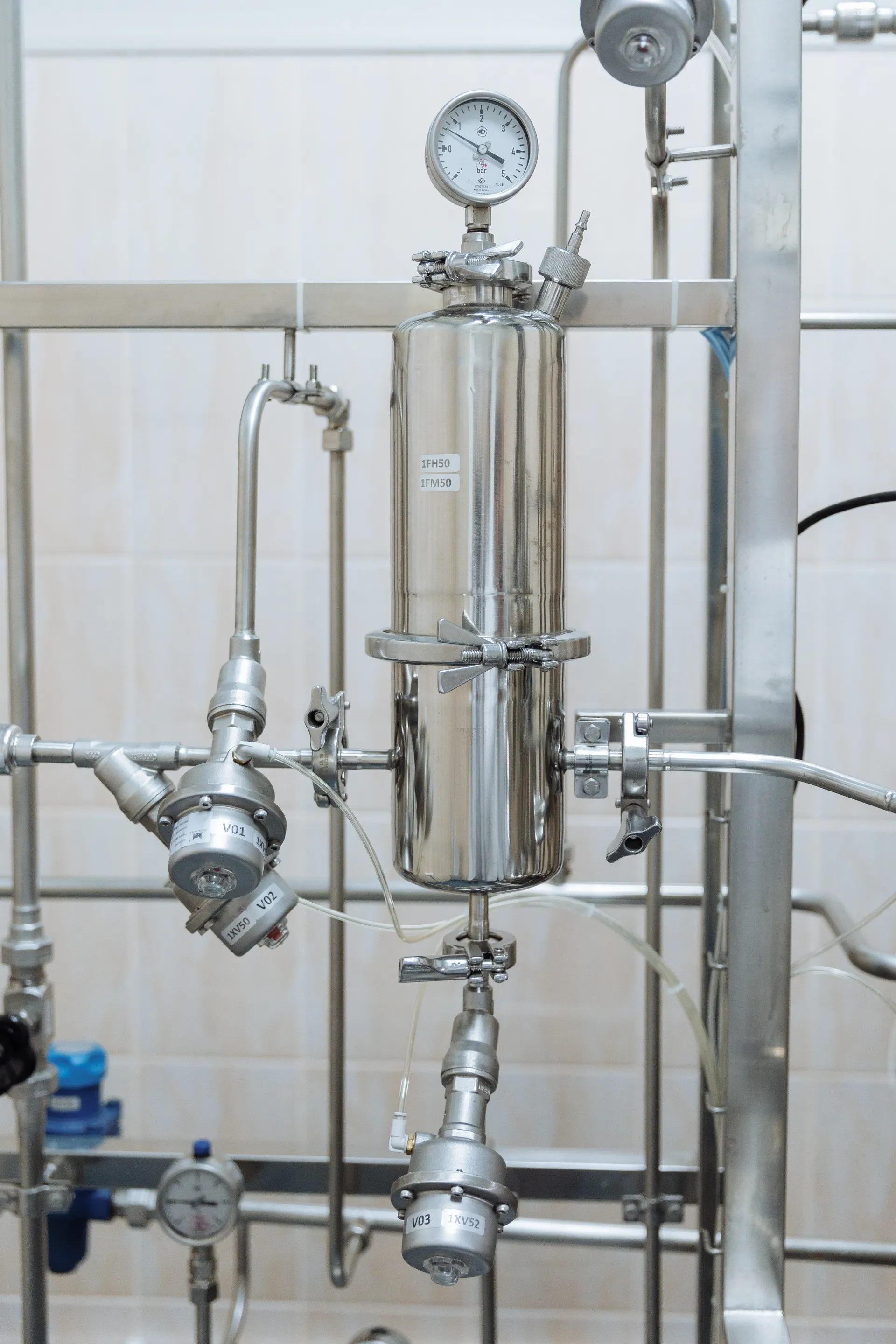
A boiler that rumbles or kettles, takes ages to heat the house, or a bleed valve that spits black water, all point to deposits restricting flow. Sludge causes the heat exchanger to overheat locally, which wears it out. Cleansing helps prevent that, and see boiler repair if damage is already done.
Before a New Boiler Goes In
Fitting a new boiler to a dirty system risks fouling the new heat exchanger and voiding the warranty. Manufacturers normally expect the circuit to be cleansed and protected first, and a magnetic filter fitted. The flush is quoted alongside the replacement so the two are planned together.
Replacing Radiators Instead of Flushing
Where a radiator is badly corroded or has failed several times, replacing it may be better than flushing it. The partner company can isolate and replace a single radiator with new valves, flush the rest of the circuit lightly and balance the system. It is quoted separately so you can compare the cost of replacing against cleansing.
The Benefits
What a Flush Gives the Whole System
Cleaning the circuit improves flow, which helps every component that depends on it.
Heat Where It Is Needed
With the sludge gone, radiators heat evenly from top to bottom and rooms warm up faster. The boiler no longer has to push against a restriction, which means less strain on the pump and less wear on the heat exchanger over the following years.
Protection After the Clean
A flush without protection is a short-term fix. Inhibitor is dosed to slow corrosion and a magnetic filter is fitted to catch what still forms. Together they follow the BS 7593 approach, and they are what stop the black water coming back in a couple of winters.
A Clear Answer on Whether It Will Work
Not every old system can be flushed safely. Corroded or fragile pipework and radiators can spring leaks under pressure, and the partner company says so before starting. If a flush is not advisable, it quotes the alternatives, such as replacing particular radiators or sections of pipework.
Why Us
How Flushing Jobs Are Arranged Through One Number
A flush is planned work, so honesty about what it can and cannot do matters most.
Survey First, Then a Fixed Quote
The partner company checks the system, the age of the radiators and pipework, the water that comes out and the symptoms you describe. It then quotes the flush, filter and inhibitor in writing. If a flush would not help, you will be told, not sold one.
Old Watford Systems Understood
Steel radiators, microbore sections, open-vented loft tanks and later additions are all familiar in Watford. Knowing how those behave under flushing means the work is planned around the weak points instead of discovering them mid-job.
Linked Work Handled Together
A flush often goes with central heating repair, a boiler servicing visit or a boiler installation & replacement. Booking them together through one number avoids paying for the same visit twice.
What Is a Power Flush?
A power flush is a method of cleaning a wet central heating system by connecting a pump to the circuit and driving water through at high flow in both directions, usually with cleansing chemicals, to dislodge sludge and scale. The system is then flushed clean, neutralised and refilled with inhibitor. It follows the guidance of BS 7593 on domestic heating water.
Not Every System Needs One
A relatively new, well-protected system with clean water does not need a flush. The test is the water that comes out and the symptoms, and the partner company should say so if a flush would not help.
A flush rarely stands alone. If the boiler has already suffered, see emergency boiler repair, and for radiators and pumps, central heating repair. When a replacement is on the cards, boiler installation & replacement covers it, and the full services list shows the rest. The wider picture of how calls are handled across the area starts with Watford plumbing and boiler repair.
Frequently Asked Questions
What is a power flush?
A power flush is a high-flow cleaning of a central heating circuit. A machine pumps water through the system, often with a chemical cleanser, reversing the direction of flow to shift sludge and scale out of radiators and pipework. After flushing the system is neutralised, refilled and dosed with inhibitor. It follows the BS 7593 guidance on cleansing and protecting heating water.
How do I know if my heating system needs flushing?
The main signs are radiators cold at the bottom or in the middle, black or brown water when you bleed them, a noisy or slow-to-heat boiler, and a pump or valve failing repeatedly. An older system that has never been cleansed is a good candidate. The partner company can test the water and look at the symptoms, then tell you whether a flush is worthwhile.
Is a power flush the same as chemical cleaning or draining down?
No. Draining down and refilling replaces water but leaves most of the sludge behind. A chemical clean circulates cleanser to loosen deposits, and a power flush adds high flow and flow reversal to carry them out. For a lightly dirty system a chemical clean may be enough, while a heavily blocked one needs the force of a flush. The partner company recommends the right level.
How long does a power flush take?
Typically most of a day for an average house, longer for a large house with many radiators or a particularly dirty system. The partner company gives you an estimate when it quotes. Expect the heating to be off during the work, so plan for that, and ask whether hot water will be available if the system is a combi or has a cylinder.
Can a power flush damage an old system?
It can expose weaknesses. Corroded radiators or old pipework that has been held together by sludge may spring a leak once cleaned or when pressure rises. That is why a survey comes first and the partner company says if the system is too fragile. If a leak does appear, it would have appeared eventually. Quotes should explain what happens if one does.
Does hard water cause sludge in my radiators?
Mostly no. Sludge in a sealed circuit is magnetite from corrosion, not limescale. Hard water mainly scales the parts that heat it, such as heat exchangers and immersion elements, and Watford's very hard supply makes that worse where water is regularly topped up. A flush deals with the sludge, while servicing and filters deal with the scale. See boiler servicing.
What is a magnetic filter and do I need one?
A magnetic filter sits on the return pipe to the boiler and catches magnetite particles before they reach the boiler and pump. It is cheap protection that most boiler manufacturers now expect, and it should be cleaned at each service. After a flush or a new boiler, it is one of the best ways to keep the system clean.
Do I need a power flush before a new boiler?
Usually the circuit should be cleansed, because a new boiler's heat exchanger is the first casualty of a dirty system, and warranties normally expect cleansing. A flush or at least a chemical clean is quoted with the replacement where the water is dirty. If the system is clean the partner company can test and say so. See boiler installation & replacement.
How often should the system be flushed?
There is no fixed interval. A well-protected system with inhibitor and a magnetic filter may go many years between cleans. A neglected one may need it sooner. The sensible approach is to test the water at each boiler service and flush only if the readings or symptoms call for it. The engineer can show you the condition of the water.
Will you flush a system in a converted flat or a shared building?
Yes if the part concerned is yours, though communal systems need agreement with the freeholder or managing agent. In converted Nascot and West Watford terraces some flats share a boiler or circuit, and flushing one flat's radiators will not clear the whole system. The partner company can tell you which parts are in scope after looking.
Will a power flush make my radiators hotter?
If the cause of cool radiators is sludge, yes, a power flush restores flow and the radiators heat evenly. It will not make a radiator hotter than the boiler can supply, and it cannot help if the cause is something else, such as a failed pump or a closed valve. The partner company diagnoses the symptoms before recommending a flush, so you pay for work that is likely to help.
Do I need inhibitor after a flush?
Yes. Inhibitor is a liquid added to the heating water that slows corrosion, and without it the system will start to produce sludge again. It is normally dosed after cleansing, in line with BS 7593 guidance, and topped up when the system is drained down. A magnetic filter on the return pipe works alongside it and should be cleaned at each boiler service.
How do I know a power flush has worked?
The water running out of the system at the end should be clear, the radiators should heat evenly from top to bottom, and the boiler should run more quietly. The partner company may test the water before and after so you can see the difference. A magnetic filter will show whether any further debris is being caught, and a clean filter at the next service is a good sign.
Is a power flush noisy or messy in the house?
The flushing machine runs for hours and makes some noise, and radiators may need disconnecting one at a time, so there can be some mess around valves. The partner company should protect floors, use containers for the dirty water and take it away. Ask in advance about arrangements, particularly if the radiators are in carpeted rooms or if anyone at home is sensitive to noise.
Clean Water in the Circuit, Warm Radiators Throughout
A local partner company surveys and quotes in writing. Call 07403 690769.
07403 690769