Emergency Plumbing & Boiler Repair · Watford, Hertfordshire
Central Heating Repair in Watford, Hertfordshire
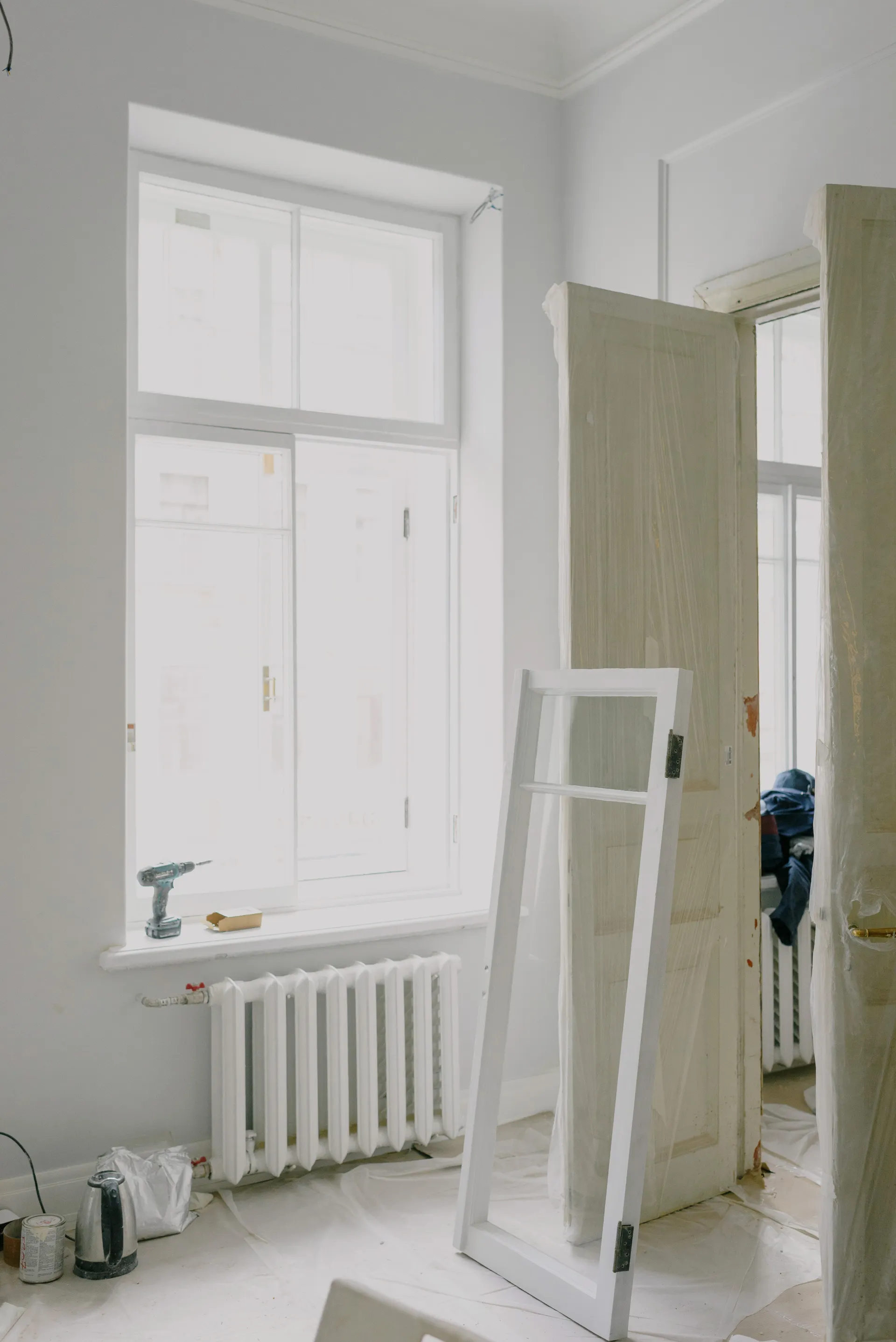
The boiler fires, you can hear the pump, and half the radiators are still stone cold. That is the central heating problem the boiler call-out does not solve, because the fault sits in the circuit between the boiler and the rooms: a stuck valve, a failed pump, a blockage of sludge, an air lock, or a thermostat that has stopped listening. Fixing it means tracing where the heat stops.
Watford's housing gives that tracing plenty to do. The Victorian and Edwardian terraces of Nascot, Callowland and West Watford have had heating bolted on over a century, often with mixed pipe materials and radiators of every age. The 1930s semis around Cassiobury commonly carry original pipework with later extensions. Converted flats may share a flow and return that no single occupier controls. And the very hard water of the area adds scale to every part that heats it, from heat exchangers to the immersion element.
Repair starts with a diagnosis, not a parts order. A heating engineer from a partner company checks the pump, the zone and motorised valves, the thermostat and programmer, the radiator valves and the water in the system. The work is carried out to the manufacturer's instructions for each component and to the Building Regulations Part L expectations for controls, and gas work stays under the Gas Safety (Installation and Use) Regulations 1998.
Ring 07403 690769 at any hour. We find the nearest independently owned heating company, text you its name before it arrives, and it quotes in writing before starting. It invoices and takes payment directly; we handle no money. If the radiators are still cold next week, ring us and we chase it.
What We Do
Central Heating Faults We Trace and Repair
Most heating complaints are one of three things: heat that never arrives, heat that arrives unevenly, or controls that behave oddly.
Cold Radiators, Cold Spots and Air Locks
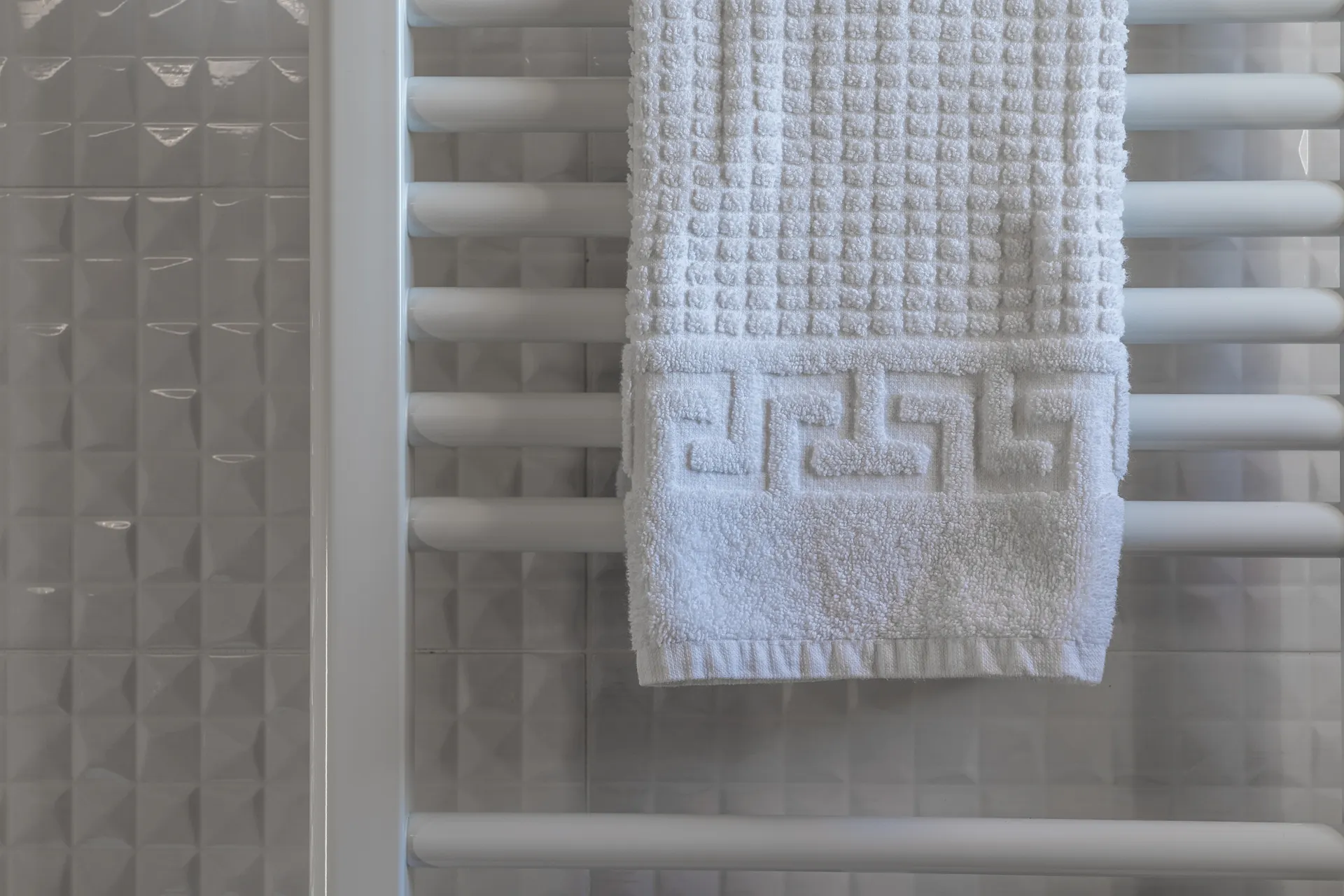
A radiator cold at the top usually holds air and needs bleeding; one cold at the bottom or in the middle usually has sludge. If a whole run of radiators is cold the cause may be a stuck valve or air in the pipework. The repair removes the cause, then balances the system so heat reaches every room.
Pumps, Zone Valves and Motorised Valves
A pump that hums but does not circulate, or a motorised valve that fails to open, leaves a working boiler heating nothing. Valves seize when scale or sludge builds on the stem, and pumps wear over the years. The partner company tests each, replaces the failed part, and checks the system flows properly afterwards.
Thermostats, Programmers and Radiator Valves
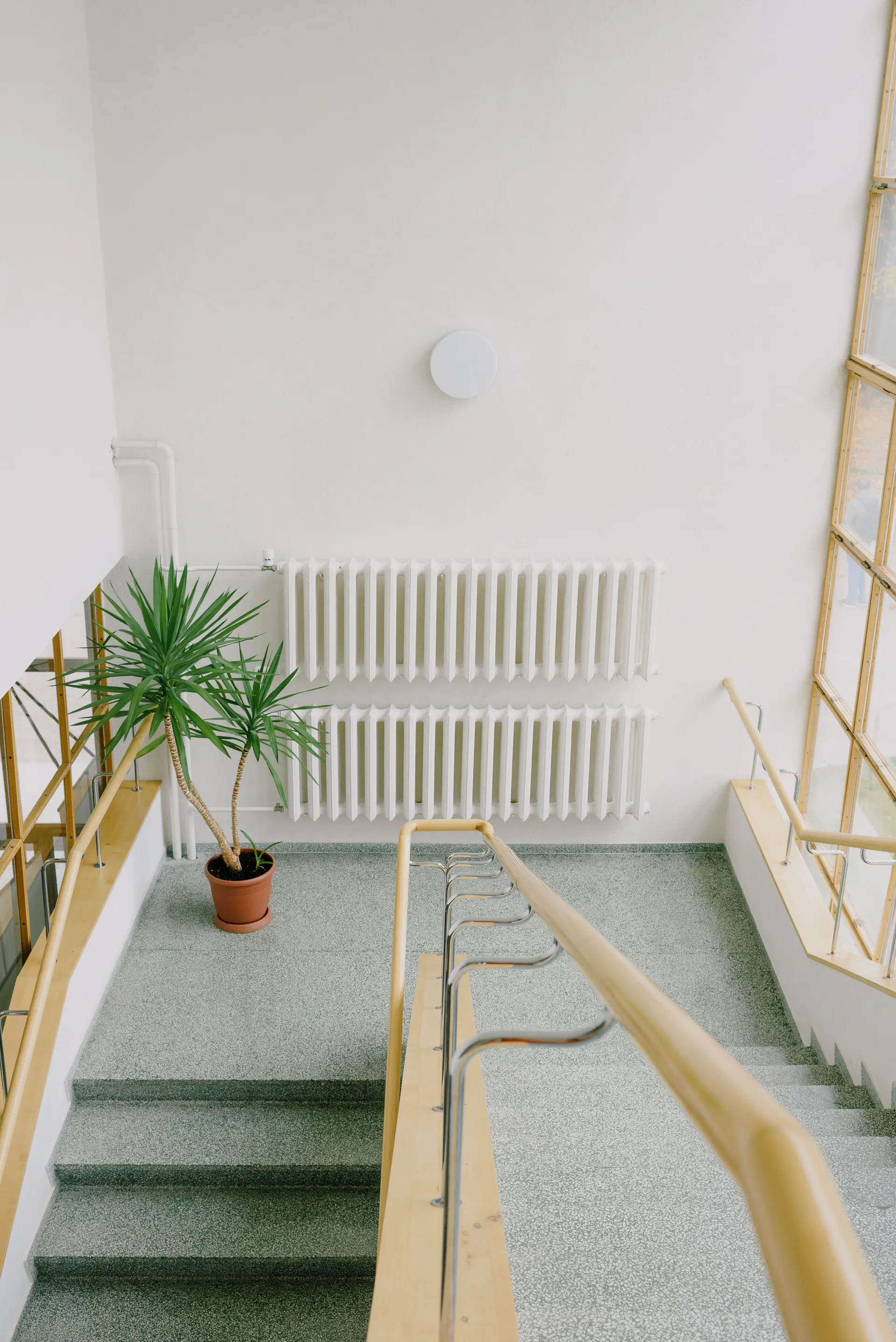
A thermostatic radiator valve with a seized pin keeps a radiator cold or permanently hot, and a failed room thermostat or programmer can leave the whole house without a call for heat. These are cheap parts but fiddly to diagnose, so the engineer tests the controls in sequence rather than replacing the lot.
Underfloor Heating and Mixed Systems
Newer extensions and some refits in Watford combine underfloor heating loops with radiators on one boiler. A manifold with a failed actuator or a mixing valve out of balance leaves rooms cold or too hot. The partner company tests each zone, repairs or replaces the faulty component and balances the flow so both systems work together.
The Benefits
A Heating Circuit That Heats the Whole House
A repair that restores heat in one room but leaves the system unbalanced just moves the problem.
Even Heat, Not Just Some Heat
After a repair the engineer balances the radiators so the ones nearest the boiler do not steal the flow from those furthest away. Balancing is slow but it is what stops one cold bedroom while the lounge overheats, and it lets the boiler run more efficiently.
Causes Fixed, Not Just Symptoms
Bleeding a radiator that keeps filling with air treats a symptom. If the cause is corrosion, a leaking joint or a failed expansion vessel, the quote says so and covers the real fix. See power flushing when sludge is the root of it.
Lower Running Costs
A circuit that moves water freely needs less boiler effort to warm the house. Working controls stop heating rooms nobody is using. That does not claim a specific saving, but a system that is balanced and clean costs less than one fighting itself.
Why Us
How Heating Repairs Get Matched
Heating faults are about symptoms, house type and parts, so the match matters.
Questions That Narrow the Fault
Which radiators are cold, whether the pump runs, what the boiler is doing and whether the pressure is stable — these four answers usually point to the likely fault before anyone arrives. It means the partner company brings the right parts.
Old and Mixed Pipework Understood
Terraces and 1930s semis in Watford often have a patchwork of copper, older steel and later plastic pipes. Engineers who see that every week know where joints and valves tend to fail, which makes tracing faster.
From Repair to Replacement If Needed
If the boiler itself is the problem, see emergency boiler repair or boiler installation & replacement. If the problem is a leak under the floor, leak detection is the next stage. One number covers all of it.
What Is Central Heating Repair?
Central heating repair is the diagnosis and repair of the circuit that carries heat from the boiler to the radiators and back: pipework, pump, valves, radiators, thermostats and programmers. It is separate from boiler repair, which concerns the appliance itself, though the two often overlap. The aim is an even, controllable heat in every room.
Balancing After Any Repair
After a repair the radiators are balanced so that flow is shared fairly and each room warms at a similar rate. It is a slow, careful task, and it is what separates a repair that feels finished from one that merely stopped the original complaint.
Heating faults overlap with other jobs. If the boiler itself has stopped, see emergency boiler repair, and for sludge, power flushing. A hidden pressure loss is a leak detection job. Take a look at boiler servicing to catch faults early, and the full services list for the rest. The wider picture of how calls are handled across the area starts with plumbing and heating help in Watford.
Frequently Asked Questions
Why are my radiators cold at the bottom but hot at the top?
That pattern is almost always sludge. Magnetite, the black iron oxide produced by corrosion, settles at the bottom of radiators and blocks flow, so the lower part stays cold while the top gets some heat. Bleeding does not fix it. A partner company can flush individual radiators or the whole circuit, and a magnetic filter and inhibitor help prevent it returning. See power flushing for how it is done.
Why is only one radiator not heating?
A single cold radiator often has a stuck thermostatic valve pin, a closed lockshield valve, or air or sludge inside. Check the valve is open and try bleeding it. If it stays cold, the valve may be seized or the radiator blocked. The partner company can free or replace the valve, drain and flush the radiator, and re-balance the system. Replace the fault, not the whole radiator.
How do I bleed a radiator?
Turn the heating off and let the system cool, then use a radiator key to open the bleed valve at the top slowly until air hisses out and water appears, then close it. Check the boiler pressure afterwards, because bleeding lowers it, and top up to the manufacturer's figure. If a radiator keeps filling with air, there is a leak or corrosion issue that bleeding will not cure.
My pump is running but nothing is heating. What is wrong?
The pump could be seized or running without moving water, a motorised valve may have failed to open, or an air lock may be blocking flow. If the pump casing is hot but the pipes are cold, the pump may have failed. The partner company tests each part, because replacing a pump when the problem is a stuck valve is an expensive mistake.
What is a zone valve and why does it fail?
A zone or motorised valve directs hot water to the heating or hot-water circuit when the thermostat or programmer calls for it. The valve has a motor and a spring that can stick if scale or sludge builds up, so it fails to open or close. Symptoms include heating without hot water, or the reverse. Replacing the head or the whole valve fixes it.
Can you repair heating in a converted flat with shared pipes?
Yes, though shared systems add complications. The fault may be in your part of the pipework, in a communal part controlled by the freeholder, or in a shared boiler. The partner company can tell which after diagnosis. If the problem is communal, you may need to involve the managing agent. We can help work out who is responsible before anyone orders parts.
Do I need a new boiler if the radiators will not heat?
Not necessarily. Many cold-radiator problems are in the circuit, not the boiler. If the boiler is firing and the water is hot at the boiler but not reaching the radiators, the pump, valves or a blockage are the suspects. The partner company diagnoses first and will say plainly if the boiler is the cause. See emergency boiler repair if it is.
What are thermostatic radiator valves and when should they be replaced?
TRVs sense room temperature and throttle the flow to the radiator. The pin inside can stick after a summer of disuse, leaving the radiator permanently cold or hot. Sometimes freeing the pin solves it, but if the valve is old or leaking it is better replaced. Part L expects room temperature control, so working TRVs are part of an efficient system.
How long does a typical central heating repair take?
A simple repair such as freeing a valve, replacing a thermostat or bleeding and rebalancing can be done in an hour or two. Tracing a fault, replacing a pump or zone valve, or draining and refilling the system takes longer. The partner company tells you how long the job should take when it quotes. If a part has to be ordered, ask what interim heat is possible.
Why does my heating system keep losing pressure?
A system that repeatedly drops pressure has a leak, a failing expansion vessel or a faulty pressure relief valve. The leak might be at a radiator valve, a joint under the floor or inside the boiler. Topping up repeatedly dilutes inhibitor and introduces fresh oxygen, which speeds corrosion. The partner company finds the leak; see leak detection if it is hidden.
Why does my heating come on but the house never gets warm?
The boiler may be firing but the heat is not reaching the rooms, which points to a pump, valve or flow problem, or the system being undersized for a house that has been extended. Sludge, closed lockshield valves and thermostats set too low are other causes. A diagnosis checks the boiler output, the flow and the controls in turn, rather than assuming the boiler is at fault.
Can central heating be repaired without replacing the boiler?
Very often, yes. Many heating complaints are caused by the circuit, such as radiators, valves, pumps and controls, not by the boiler. The partner company checks which part has failed and quotes for that. If the boiler is also tired, it will say so, but you are not obliged to replace it just because the radiators are cold.
Why does my heating take hours to warm the house?
Slow warm-up is usually a flow problem, such as sludge in radiators, a weak pump, closed valves or radiators out of balance, or a boiler that cannot produce the output the house needs after an extension. Turning the thermostat up does not help. A partner company can check each of these in turn, and may recommend balancing, cleansing or replacing a failing part. See power flushing.
Warm Rooms Back, With the Cost in Writing First
A local partner company traces the fault. Call 07403 690769.
07403 690769